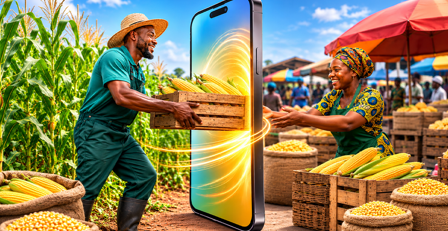
A successful farming season does not end when your crops are ready for harvest. What happens after harvesting is just as important as the effort you put into planting, nurturing and protecting your crops.
From the moment the produce leaves the farm until it reaches the final consumer, several factors can influence its quality, freshness, shelf life and market value. Poor handling, inadequate storage, improper drying and transportation challenges can lead to post-harvest losses, reducing the returns farmers receive from their hard work.
Whether you cultivate maize, rice, soybeans, cowpeas or other crops, understanding how to preserve produce after harvest is essential.
Here are five important factors every farmer should pay attention to.
1. Harvesting at the Right Time
Harvesting too early or too late can affect the quality and market value of your produce.
Crops harvested before reaching maturity may have poor grain development, lower weight and inadequate moisture levels for proper storage. On the other hand, delaying harvest can expose crops to pests, diseases, rainfall, shattering and other forms of damage.
For instance, maize harvested too early may contain immature grains, while leaving mature maize in the field for too long can increase the risk of mould development and pest infestation.
What should farmers do?
- Understand the maturity period of your crops.
- Observe physical signs of maturity before harvesting.
- Monitor weather conditions and plan harvesting accordingly.
- Avoid unnecessary delays once crops are ready.
Harvesting at the right time helps preserve crop quality and reduces avoidable losses.
2. Proper Handling During and After Harvest
How you handle your produce immediately after harvesting can determine how well it maintains its quality.
Rough handling, dropping produce, using dirty equipment and mixing damaged crops with healthy ones can introduce contamination and cause physical damage.
For crops such as tomatoes and other perishable produce, poor handling can result in bruising and rapid spoilage. For grains and legumes, contamination with soil, stones and other foreign materials can reduce their market value.
What should farmers do?
- Use clean harvesting tools and equipment.
- Handle produce carefully to prevent bruising and physical damage.
- Sort and separate damaged or diseased produce.
- Use clean bags, crates and containers.
- Maintain proper hygiene throughout harvesting and handling.
Following good manufacturing practices (GMP), particularly in post-harvest handling, helps maintain cleanliness, prevent contamination and preserve the quality of agricultural produce.
3. Proper Drying and Moisture Management
Moisture content is one of the most important factors affecting the quality and shelf life of harvested crops, particularly grains and legumes.
When produce is stored with excessive moisture, it creates favourable conditions for mould growth, insect infestation and deterioration. This can lead to discolouration, unpleasant odours, reduced quality and, in some cases, mycotoxin contamination.
For example, improperly dried maize and groundnuts are more vulnerable to mould development, which can compromise their safety and marketability.
What should farmers do?
- Dry harvested grains and legumes to the recommended moisture content for their intended storage conditions.
- Use clean drying surfaces, tarpaulins or appropriate drying equipment.
- Avoid drying produce directly on contaminated surfaces.
- Protect produce from unexpected rainfall and moisture.
- Ensure produce is adequately dried before storage.
Remember, produce that looks dry on the outside may still retain moisture internally. Proper moisture management is essential for safe storage.
4. Proper Storage and Preservation
Even after harvesting and drying, poor storage conditions can quickly reduce the quality and value of your produce.
High temperatures, excessive moisture, poor ventilation, rodents and storage pests can damage agricultural produce. Improper storage can also encourage mould growth and contamination.
For farmers storing maize, rice, beans, soybeans and other grains, maintaining suitable storage conditions is essential to preserving quality until the produce is sold or processed.
What should farmers do?
- Clean and disinfect storage facilities before use.
- Ensure storage areas are dry and well-ventilated.
- Use appropriate storage bags, containers or hermetic storage solutions.
- Keep produce away from damp floors and leaking roofs.
- Inspect stored produce regularly for signs of pests, moisture and deterioration.
Good storage practices help extend shelf life, minimise post-harvest losses and maintain the quality buyers expect.
5. Transportation and Market Handling
Getting your produce to the market is another important stage that can affect its final value.
Poor transportation arrangements, overcrowded vehicles, unsuitable packaging and exposure to harsh weather conditions can damage produce before it reaches buyers.
For instance, placing heavy loads on delicate produce can cause bruising, while transporting grains in poorly protected bags can expose them to rain and moisture.
Beyond transportation, understanding market requirements also matters. Buyers often consider the cleanliness, size, appearance, freshness and overall quality of produce when determining their purchasing decisions.
What should farmers do?
- Use clean and suitable packaging materials.
- Avoid overcrowding vehicles during transportation.
- Protect produce from rain, excessive heat and direct exposure to harsh weather.
- Identify potential buyers and understand their quality requirements before harvest.
- Plan transportation ahead of time to avoid unnecessary delays.
Good transportation and market preparation help ensure that the quality maintained on the farm is not lost before your produce reaches the buyer.
Conclusion: Your Harvest Deserves Its Full Value!
Growing a successful crop requires time, resources, patience and hard work. But protecting the value of that harvest requires just as much attention.
From harvesting at the right time to proper handling, drying, storage and transportation, every stage matters. A good harvest is not measured only by how much you produce but also by how much of that produce retains its quality and reaches the market in good condition.
For more information on good agronomic practices, crop protection and smarter farming decisions, download the FarmPropa App on Android and iOS. You can also visit your nearest trusted SARO agro-dealer or follow SARO Agrosciences on our social media platforms for more practical farming tips and updates.
Leave a Reply