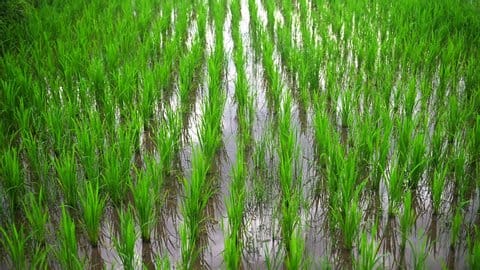
Rice is one of Nigeria’s most important staple crops and one of the most rewarding to grow when you get it right. Whether you’re planting for the first time or looking to improve your yield this season, this guide breaks down everything you need to know, step by step.
Start With the Right Variety
Not all rice is the same. Choosing the right variety for your soil type, location, and target market is the first decision that shapes your entire season. Saro Agrosciences recommends two proven, high-yielding varieties for Nigerian farmers:
- FARO 44 — a popular lowland variety known for its early maturity and good grain quality. It performs well in irrigated and rainfed lowland conditions and is widely accepted in Nigerian markets.
- FARO 52 — a high-yielding variety with strong resistance to major rice diseases, including blast. It is well-suited to inland valley swamps and lowland ecosystems and delivers excellent yields under proper management.
Consult your nearest Saro agro-input dealer or use the FarmPropa app to get recommendations based on your location and farming conditions.
Prepare Your Land Well
Good land preparation is the foundation of a good harvest. Whether you’re farming upland, lowland, or irrigated rice, your land must be properly tilled, levelled, and cleared of weeds before planting begins.
For lowland and flooded rice fields:
- Puddle the soil thoroughly to reduce water loss and suppress weed growth
- Level the field to ensure uniform water distribution
- Clear all crop residues from the previous season
For upland rice:
- Plough and harrow at least two weeks before planting
- Clear weeds early, they are the number one yield thief on upland farms
Know Your Planting Season
In Nigeria, rice planting typically aligns with the rainy seasons, with planting periods commonly occurring between March–May and July–September depending on the region.
Planting at the right time ensures your crop has enough moisture during the critical vegetative and flowering stages. Late planting = lower yield. Always aim to plant within the first two weeks of your target window.
Seed Selection and Treatment
Start with certified, clean seed. Diseased or poorly stored seed leads to poor germination, uneven stands, and weak plants that are easily attacked by pests.
Before planting, treat your seeds to protect against soil-borne diseases and pests from day one. A simple salt water float test can also help you separate heavy, healthy seeds from empty or light ones remove the ones that float.
Planting Methods: Which One is Right for You?
Direct Seeding (Broadcasting or Drilling): Seeds are sown directly into the field without transplanting. This is faster and requires less labour, but needs proper spacing and weed control from the start.
Transplanting: Seeds are germinated in a nursery for 2–3 weeks, then transplanted to the main field. This method allows for better weed management and can improve plant establishment, especially in lowland conditions.
Whichever method you choose, target a plant population that gives each seedling enough space to tiller and grow without competition.
Feed Your Crop Right
Rice is a heavy feeder. Nutrient deficiency especially nitrogen is one of the most common reasons farmers get low yields despite doing everything else right. Apply fertiliser in splits for best results:
- Basal application (at planting or land preparation): Phosphorus and potassium to build root strength
- Top dressing (3–4 weeks after planting): Nitrogen to drive vegetative growth
- Second top dressing (at tillering/panicle initiation): Nitrogen to boost grain set
Always follow recommended rates for your soil type and target variety.
Weed Control: Don’t Let Them Steal Your Harvest
Weeds compete with your rice for nutrients, water, and sunlight. Left unmanaged, they can cut your yield by 30–70%. Early weed control is critical the first 30 days after planting are your most important window.
- Use pre-emergence herbicides like Buster or Pendigold immediately after planting to prevent weed establishment
- Follow up with post-emergence control with herbicides like Ricechamp, Nominee Gold, Seletgold or Select when necessary.
- In flooded fields, maintaining a consistent water level naturally suppresses many weed species
Watch for Pests and Diseases
Common threats to rice in Nigeria include:
- Stem borers — look for dead hearts early in the season and whiteheads at grain filling
- Brown plant hopper — causes “hopperburn,” turning patches of rice brown suddenly
- Rice blast — a fungal disease that attacks leaves, necks, and panicles, especially during humid weather
- Bacterial leaf blight — causes yellowing and wilting from the leaf tips downward
Monitor your farm regularly. Early detection saves your crop. Act fast with the right product at the right time. Control insect pests with appropriate insecticides like Hallakat and Fungal diseases with an effective fungicide like Blue Snow.
Water Management
For irrigated and lowland rice, water management directly affects yield. Maintain the right water depth at each growth stage too much or too little at the wrong time causes stress and reduces grain set. Drain fields completely about 2 weeks before harvest to allow the soil to firm up and make harvesting easier.
Harvest at the Right Time
Rice is ready to harvest when 80–85% of the panicles have turned golden yellow. Harvesting too early gives you immature, chalky grains. Harvesting too late leads to grain shattering and field losses.
After harvesting, thresh, dry, and store your grain properly to protect quality and market value.
Your Season, Your Yield
Rice farming rewards farmers who plan ahead, act on time, and use the right inputs at the right moment. From seed selection to harvest, every decision matters.
At Saro Agrosciences, we provide the crop protection products, agro-inputs, and farmer support you need to grow rice with confidence. Visit your nearest Saro dealer or download the FarmPropa app to get personalized product recommendations for your farm.
Leave a Reply