Blog

  • From Seed to Planting: Getting Your Rice Farm Started the Right Way

    From Seed to Planting: Getting Your Rice Farm Started the Right Way

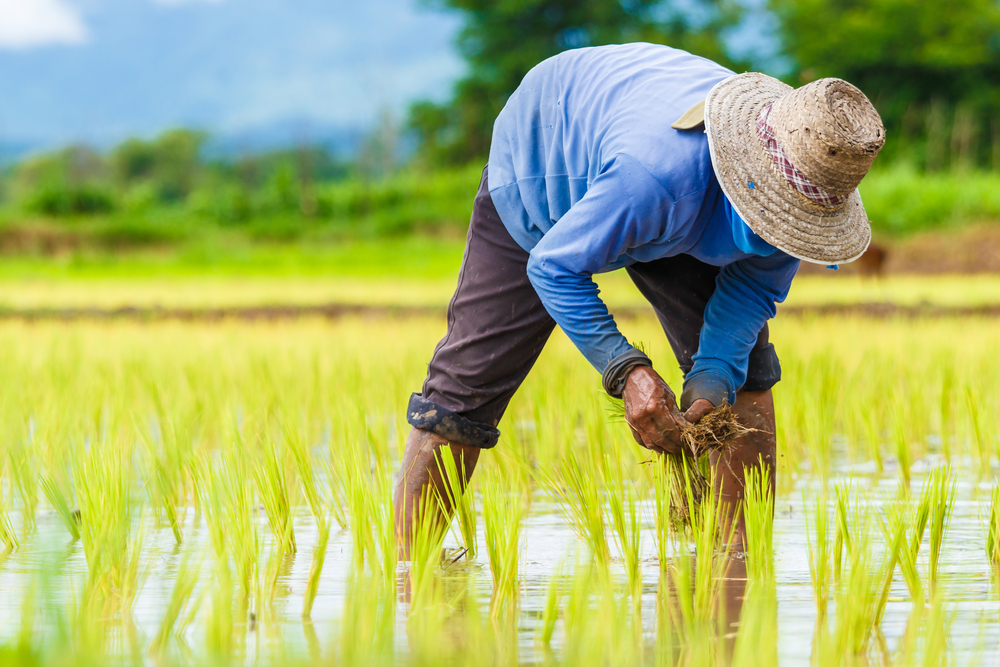
    Rice is one of the most widely consumed staples in Nigeria, and local production still struggles to meet rising demand. For anyone looking to grow a profitable and high-demand crop, rice is a smart choice. And if you’re waiting for the perfect time to start, this is it. Rice thrives in waterlogged conditions, especially in rainfed lowland areas, and the natural rainfall this season provides exactly what the crop needs to grow strong and yield well. If you haven’t already gotten started, now is the time to take that first step.

    Whether you’re new to rice farming or not, this blog will walk you through the key things you need to know: choosing the right seed variety, preparing your land, managing weeds, protecting your crop, and harvesting for profit. Let’s get into it.

    1. Understand your land before you plant

    Every successful rice farm starts with knowing your soil and your environment. Rice thrives best in warm, humid climates with an abundant water supply, which makes areas in the lowland tropics especially suitable. Your first task should be a soil test to determine fertility, pH, and any nutrient deficiencies. Rice does best in slightly acidic to neutral soil, ideally between 5.5 and 7 pH. This allows you to know exactly what your soil needs before planting begins—whether it’s lime to raise pH or organic compost to boost fertility.

    If your farm is located in a rainfed or irrigated lowland area, your rice crop will likely flourish, provided you manage the water well.

    2. Choose the right rice variety for your location and goals

    Picking the right seed variety makes all the difference. Your choice should reflect both your ecological zone and the kind of yield you want to achieve.

    FARO 67 is a standout option for many farmers. It’s a high-yielding variety, capable of producing up to 6.7 tons per hectare. This variety features long to medium slender grains and takes about 120 to 125 days to mature. It’s moderately tolerant to iron toxicity and can survive temporary submergence. FARO 67 is especially recommended for Derived, Guinea, Sudan, and Sahel savanna ecologies. Its seed rate is around 60 to 80 kg per hectare, and it performs best under rainfed lowland conditions.

    FARO 44, on the other hand, is ideal if you’re looking for an early-maturing variety. It matures in 95 to 110 days, yielding around 4 to 5 tons per hectare. Like FARO 67, it has long to medium slender grains and is tolerant to iron toxicity. This variety is well-suited for irrigated lowland ecosystems, and you should aim for a seed rate of 60 to 80 kg per hectare.

    Choosing a variety without considering your ecology or market needs can lead to losses, so always match the seed to your setting.

    3. Prepare your land like it’s half the job—because it is

    Don’t rush into planting without a properly cleared and prepared field. The first step is land clearing, and this is where herbicides like Slasher Super and Gobara SG come in handy.

    Slasher Super is a contact and partly systemic non-selective herbicide with a longer residual effect. It contains Glufosinate ammonium 60% and Flumioxazin 6% WP, making it ideal for clearing dense weeds and bushy fields before planting.

    Gobara SG is another strong option. It’s a non-selective, systemic herbicide with 75.7% Glyphosate SG, designed to tackle both annual and perennial grasses, broadleaved weeds, and sedges. It’s particularly effective for preparing the land after the previous cropping season.

    After clearing, move on to ploughing and harrowing to loosen the soil. If you’re working in a lowland area, build bunds and level the land for uniform water retention. A well-levelled field not only supports even plant growth but also aids water control during irrigation.

    4. Control weeds early using the right herbicides

    Weeds are one of the biggest threats to rice productivity, especially in the early stages. For best results, combine pre-emergence and post-emergence herbicides in your weed management plan.

    Use Pendigold as a pre-emergence herbicide. Apply it immediately after planting or within 24 hours of planting to achieve the best results.

    For post-emergence, we recommend any of our products: Select, Selet Gold, Nominee Gold, and Actrox.

    5. Manage water as if your yield depends on it—because it does

    Rice is a thirsty crop, but too much water can cause just as much damage as too little. During the early stages, maintain shallow water levels (around 5 cm), increasing slightly as the plant grows.

    Drain water during the flowering period to prevent grain sterility and resume again after flowering. If you’re in an area where irrigation is necessary, schedule water cycles carefully. Good water management supports better root health, reduces weed pressure, and improves overall yield.

    Wrapping up,

    Getting started with rice farming isn’t as complicated as it may seem, but it does require planning, precision, and a willingness to learn. Start with a small plot to understand the process, and don’t cut corners when it comes to land preparation, weed control, or seed selection.

    Still not sure where to begin or what product is right for your farm? Reach out to us on any of our social media platforms—we are always ready to help. Or better yet, download the FarmPropa App and try the Product Recommender feature. It’s designed to guide you through product choices tailored to your crop, location, and specific farm needs—right from your phone.

  • Are your maize leaves turning yellow this rainy season? Here is why.

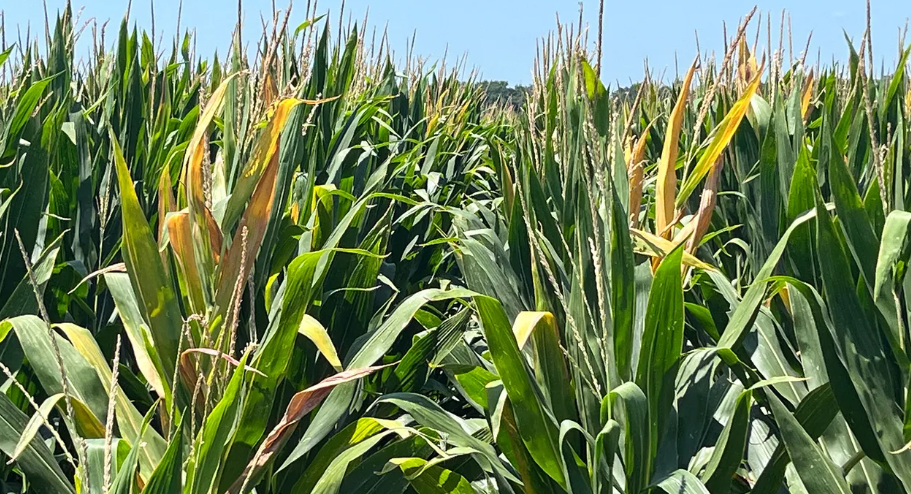
    Are your maize leaves turning yellow this rainy season? Here is why.

    For many farmers, the rainy season brings hope. The land is fertile, the crops are growing, and the harvest looks promising. But what happens when, in the middle of all this, your maize leaves begin to turn yellow? It’s frustrating and worrying.

    Yellowing leaves, also known as chlorosis, are often a sign that something is off in the field. If you’ve noticed your maize looking pale or less vibrant during what seems like perfect weather, here are a few reasons why this might be happening and what you can do about it.

    1. Loss of Nutrients Due to Excess Rainfall

    Heavy rain can wash away essential nutrients from the soil, especially nitrogen, which is responsible for the lush green colour of maize leaves. Even if you applied fertilizer at planting, the nutrients may no longer be where the plant roots can access them.

    What to look out for:
    Yellowing that starts from the lower (older) leaves and moves upward is a classic sign of nitrogen deficiency.

    What you can do:
    Apply a top-dress of nitrogen-rich fertilizer (such as urea or CAN) around three to four weeks after planting. Split applications can be more effective—small doses spaced out reduce waste and help the plant absorb nutrients more steadily.

    2. Early Pest Damage

    Insects such as stem borers and armyworms frequently attack maize plants in their early stages, particularly during warm and wet periods. These pests can damage the stem and root system, reducing the plant’s ability to absorb nutrients and water.

    What to look out for:
    Holes in the leaves, damaged whorls, or plants that appear weak, even with good rainfall. You may also see pests in the central whorl of the plant.

    What you can do:
    Use an effective insecticide early in the season. Products like Kombat, Sting, or Cypertex can help control a wide range of pests before they cause serious damage. Regular monitoring of your field will also help you catch problems early.

    3. Poor Drainage or Soil Compaction

    While rain is necessary, too much of it, especially in poorly drained or compacted soils, can lead to waterlogging. When the soil stays soggy for too long, plant roots can’t breathe or absorb nutrients, leading to yellowing leaves and stunted growth.

    What to look out for:
    Water pooling on the soil surface after rain, slow plant growth, or darkened roots when the plant is dug up.

    What you can do:
    Improve your field’s drainage by creating channels or planting on raised beds or ridges. Avoid over-tilling or using heavy machinery, as this can compact the soil and worsen drainage.

    4. Imbalanced Soil Nutrients

    Nitrogen isn’t the only nutrient maize needs. Deficiencies in magnesium, zinc, or potassium can also cause yellowing, sometimes in unique patterns like stripes or leaf-edge discolouration.

    What to look out for:
    Striped yellowing between the veins (often due to zinc deficiency) or yellowing that starts at the leaf tips or edges.

    What you can do:
    Use balanced fertilizers that include secondary and micronutrients. Foliar sprays containing zinc or magnesium can also be beneficial. For long-term results, consider doing a soil test to understand exactly what your soil needs.

    What Should You Do When You Notice Yellowing?

    The most important thing is not to panic. Yellowing is a symptom, and once you understand the cause, you can take the right action. Pay attention to when and where the yellowing starts, and combine that with what you know about your fertilizer, pest control, and drainage practices.

    Remember that every farm is different. What worked last season might need to be adjusted this year based on rainfall, soil condition, and pest pressure.

    Wrapping up,

    Acting early is key. Regular field checks, timely application of the right inputs, and good agronomic practices can help you turn the season around and protect your yield before it’s too late.

    Let’s grow better, together.

    And remember, you’re not alone. If you’re unsure about what product to use or have any questions about planting, you can always reach out to us on any of our social media platforms. We’re here to support you every step of the way.

  • Tired of Insect Problems? Find the Perfect Insecticide for Your Maize in Seconds with FarmPropa!

    Tired of Insect Problems? Find the Perfect Insecticide for Your Maize in Seconds with FarmPropa!

    Every farmer knows how quickly insects can ruin a good maize field. You work hard, plant right, and then pests come along, eating through your crops and cutting down your yield. Choosing the right insecticide to fight back can be confusing, but not anymore.

    Saro Agrosciences, your trusted farmer’s friend, has made things easier with FarmPropa, a simple, easy-to-use app that helps you find the right product for the exact problem on your farm.

    Here’s how to use the Product Recommender feature on FarmPropa to protect your maize and get the results you deserve:

    Step 1: Tell the App What You Need

    When you navigate to the product recommender part of the FarmPropa app, the first thing it asks is what kind of solution you’re looking for. Since your maize is under insect attack, simply select insecticide.

    You can also use this same app to find herbicides or fungicides for other issues, but for now, we’re focusing on insect control.

    Step 2: Select Your Crop

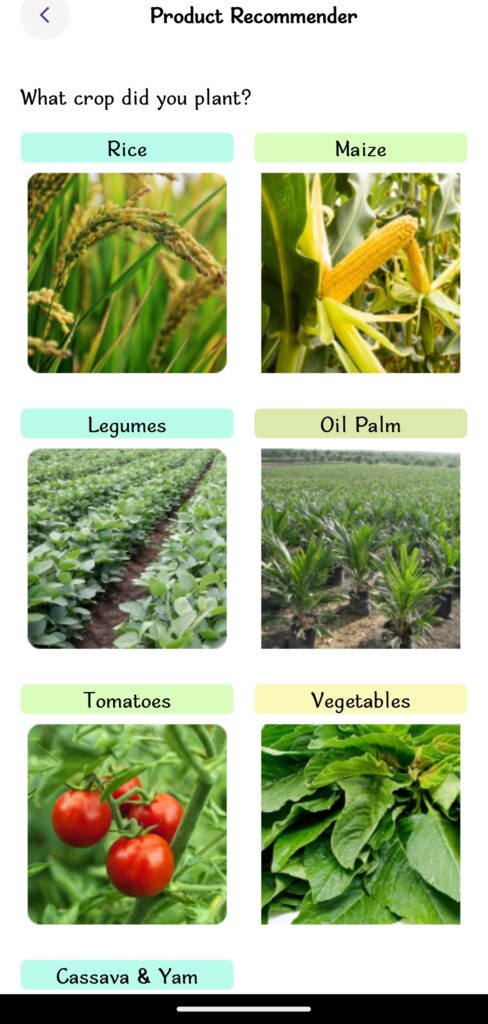
    Next, you’ll be asked to choose the crop of interest. FarmPropa supports many common Nigerian crops like rice, cassava, tomato, legumes, yam, oil palm, vegetables — and of course, maize.

    Once you click on maize, you’re on your way.

    Step 3: Pick Images of the Pests You See

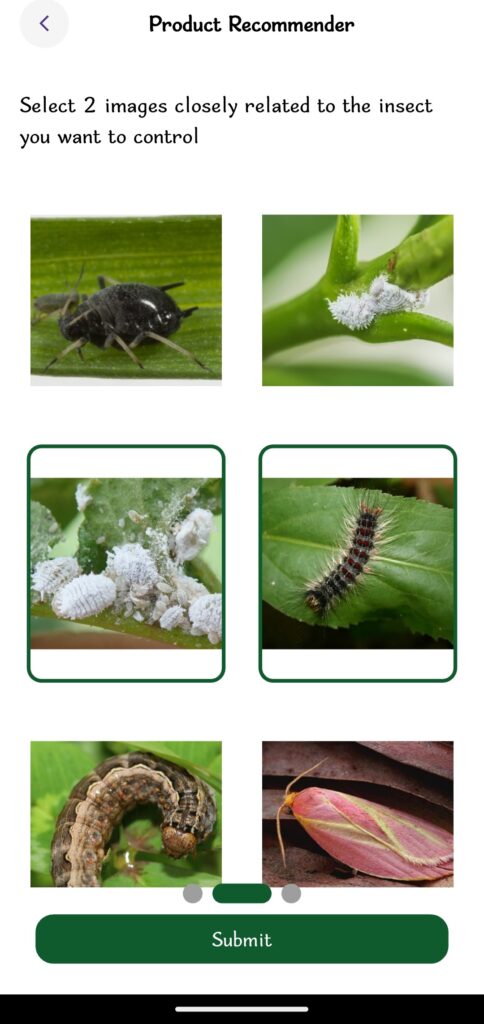
    This is where the app gets very helpful. You don’t need to know the names of the insects damaging your farm. FarmPropa lets you select two pictures that look like the pests you’ve seen on your maize.

    Maybe it’s those tiny worms eating into your cobs, or some bugs chewing holes in your leaves, just find the images that match, and click them.

    Even if you’re not sure, the images makes it easy.

    Step 4: Get the Right Product Recommendation

    And just like that, voila!

    FarmPropa looks at all the details you’ve provided, the type of problem, the crop, and the insect, and gives you the best product to use. These aren’t random suggestions either. The app is backed by the experience and knowledge of Saro Agrosciences, which means the recommendations are reliable and effective.

    Wrapping up,

    FarmPropa takes the guesswork out of choosing insecticides. No more wasting time or money trying different products that don’t work. You now have a smart app at your fingertips, designed to support your hard work and protect your maize.

    At Saro Agrosciences, we believe farming should be rewarding, not frustrating. That’s why we created FarmPropa, because every farmer deserves good harvests, healthy crops, and peace of mind.

  • Protect Your Harvest from the Rain: 5 Common Farming Mistakes to Avoid.

    Protect Your Harvest from the Rain: 5 Common Farming Mistakes to Avoid.

    These days, the weather has a mind of its own. One moment it’s sunny, the next it’s raining heavily for days. For many farmers, this can be a real problem. Too much rain can damage crops, attract pests, and even lead to plant diseases. But sometimes, it’s not just the weather—it’s also the little things we overlook that cause bigger issues.

    In this blog, we’ll talk about five common mistakes farmers make when trying to protect their farms during rainy weather and share simple tips to help you avoid them and keep your crops safe.

    1. Wrong timing for applications

    Weather forecasts can be a farmer’s best friend, but relying solely on them can lead to errors. With fluctuating conditions, such as unexpected rain showers, it’s essential to pay close attention to local forecasts. Applying crop protection products just before a rainstorm can wash them away, rendering them ineffective. Aim to apply treatments when conditions are optimal—consider timing your applications based on not just current weather but also the forecast for the next few days.

    2. Overlooking the condition and needs of your soil

    One of the most significant mistakes farmers make is overlooking soil conditions before applying treatments. Heavy rains can lead to waterlogged soils, which may impede the effectiveness of fertilisers, herbicides, and fungicides. Before any application, conduct a soil assessment to determine its moisture level and compaction. Avoid applying treatments on saturated soils, as this can lead to runoff and reduced efficacy. Instead, wait for the soil to dry adequately before proceeding.

    3. Neglecting drainage

    Poor drainage can lead to waterlogged fields, which are breeding grounds for diseases like root rot and fungal infections. Farmers often underestimate the impact of drainage on crop health. Installing effective drainage systems and maintaining ditches and channels can help manage excess water during periods of heavy rain. Regularly inspect your drainage systems to ensure they are functioning correctly and are free from obstructions.

    4. Ignoring pest attacks

    Heavy rainfall can create an ideal environment for pests to thrive, yet many farmers ignore regular pest monitoring. Conditions following significant rain events can lead to population explosions of pests that target crops. Implementing an integrated pest management (IPM) strategy allows farmers to monitor pest levels and take timely action when populations exceed threshold levels. Regular scouting of fields helps identify pest issues early, allowing for more effective interventions.

    5. Investing in effective crop protection solutions

    The quality of crop protection products plays a crucial role in their effectiveness, especially during challenging weather conditions. Cheaper, low-quality options may struggle to perform in wet environments, leading to ineffective disease control and pest management. We recommend investing in crop protection solutions from Saro Agrosciences, which are specifically formulated to meet the demands of the conditions you’re likely to face.

    Need assistance in selecting the right crop protection product for your farm? Visit here to browse through our extensive catalog. Alternatively, the FarmPropa app simplifies the process for you. Just download the app, register, and access the product recommendation tab to discover the best solutions for your crops. It’s that easy!

    As the climate continues to shift and weather patterns become more unpredictable, effective farm protection becomes increasingly vital. Avoiding these common mistakes—such as ignoring soil conditions, timing applications incorrectly, neglecting crop rotation, overlooking drainage, failing to monitor pests, skipping preventive treatments, and not investing in quality products—you can safeguard your crops against the challenges posed by heavy rainfall and other weather-related issues. With careful planning and proactive strategies, you can ensure a bountiful harvest, even in the face of unpredictable weather.

  • 4 Reasons Why Farmers Choose Saro Agrosciences And Why You Should Too!

    4 Reasons Why Farmers Choose Saro Agrosciences And Why You Should Too!

    Farming in Nigeria comes with its fair share of challenges. From unpredictable weather patterns to pest infestations, poor soil fertility, and rising costs of inputs, farmers are constantly seeking practical support, not promises. In farming, what matters most isn’t just having access to agricultural products. It’s having a dependable partner who understands the reality on the ground and walks with you through every season.


    That is where Saro Agrosciences stands tall — not just as a brand, but as a true friend of the farmer. For years, Saro has built a reputation across farming communities for putting farmers first. Whether you’re planting maize in Benue or spraying your rice field in Kebbi, farmers know they are not alone. When you call, someone answers. When you ask questions, you get real answers. And when you apply Saro products, you see results.


    Here are four reasons why farmers across Nigeria are choosing Saro Agrosciences — and why you should too.

    1. Real support beyond products
    Every farming journey is unique. That’s why Saro doesn’t just sell inputs and walk away. From the first time you reach out to us, you’re treated as a friend. Our agronomic team is active across our social media platforms, responding to questions quickly, no matter how technical or urgent they may be.


    We host regular FB Live sessions, Q&As, webinars, and expert takeovers to ensure you’re never left in the dark. Whether it’s advice on choosing the right pre-emergence herbicide or understanding pest behaviour, you’re one message or one click away from answers that work.


    We also maintain a growing blog resource centre filled with practical, localised information to help you eliminate guesswork in your operations.

    2. Our products are built for Nigerian soil and season

    From the North to the South, our agrochemical and seed solutions are formulated with a deep understanding of Nigeria’s diverse climate zones and farming conditions. We’re not rebranding foreign ideas, we’re designing solutions that work here, on your own soil, for your own crops.

    Our pre-emergence herbicides, for instance, target stubborn weeds before they even surface, while the post-emergence solutions clear unwanted growth without harming your crops. Insecticides like Sting, Kare, Hallakat, etc., keep your crops safe from pests that have devastated harvests in the past.

    3. We help you farm smarter with the FarmPropa app
    Saro Agrosciences is not only investing in agro-chemical solutions — we’re investing in tools to make your farming journey easier, more efficient, and more profitable.

    The FarmPropa App has been built as a comprehensive digital companion for farmers. It combines access to agronomic tips, weather forecasts, planting guides, pest alerts, input recommendations, and product usage calculators all in one place.

    The goal is simple: to help you plan better, act faster, and harvest more. Whether you’re a new farmer or a seasoned grower, the app is tailored to your real needs.

    4. We treat every farmer like a friend, not a transaction
    At Saro Agrosciences, we see farming as a shared mission, and farmers as the heartbeat of that mission. That’s why our relationship doesn’t end after you buy a product or solution. We stay close, offering follow-up advice, listening to your feedback, and providing ongoing education.

    Through our field days, activations, storms, demo farms, and grassroots outreach, we meet you where you are — in your own language, on your own terms. This is not by chance; it’s a deliberate effort to ensure every farmer feels heard, valued, and supported.
    For us, your growth is our priority. When you succeed, we all succeed.

    Why Should You Choose Saro Agrosciences?
    Because we don’t just want to sell to you — we want to grow with you. Our products are trusted. Our service is dependable. Our knowledge is grounded in your reality. And our future is focused on empowering you to grow more confidently and sustainably.
    Thousands of farmers already trust Saro Agrosciences as their friend. Maybe it’s time you did too.

  • Cassava Farmers: 3 Things You Should Always Do When Applying Herbicides.

    Cassava Farmers: 3 Things You Should Always Do When Applying Herbicides.

    For cassava farmers, weeds are one of the biggest threats to a healthy and bountiful harvest. If left unchecked, weeds can compete with cassava for sunlight, water, and nutrients, leading to poor yield and more work in the long run. One of the smartest ways to tackle this problem early is through the safe and effective use of herbicides, especially the use of pre-emergence herbicides like Rooter or post-emergence herbicides like Relianth and Gallant Super.

    This blog explains how to apply herbicides the right way, keeping your crops, your soil, and yourself safe.

    1. There is always an optimal application window, so timing is key.

    You can’t just apply herbicides at any random time and expect good results — timing is everything when it comes to effective weed control in cassava farming. The right timing depends on whether you’re using a pre-emergence or post-emergence herbicide, and applying them at the wrong time can lead to wasted effort, crop stress, or poor weed control.

    We recommend that:

    • Pre-emergence herbicides should be applied immediately after planting your cassava cuttings, before any weeds have started to sprout. For the best results, apply just before a light rain or lightly water the soil afterward to help activate the herbicide.
    • Post-emergence herbicides should be applied when weeds have emerged and are actively growing, ideally at the 3–4 leaf stage. Spraying too early may miss the target weeds, and spraying too late may lead to tougher, more resistant growth.

    Note: Avoid spraying when the soil is too dry, overly wet, or right before a heavy rain, as it can wash away the herbicide and reduce its effectiveness.

    2. Always follow the instructions on the label

    Some farmers think that using more herbicide will give better results, while others believe using less will help save money. But the truth is, both ideas can lead to problems. If you use too much herbicide, you can damage your cassava plants, harm the soil, and affect future harvests. If you use too little, the weeds may survive, and you’ll end up spending more time and money spraying again.

    It’s important to get the quantity just right.

    If you’re not sure how much to use, don’t guess. Always check the instructions on the label. And if you’re still unsure, feel free to reach out to us on any of our social media pages or speak to the nearest agricultural extension officer.

    Note: We recommend using only clean water for mixing/diluting the herbicides.

    3. Safety first: your health is as important as your harvest.

    When spraying herbicides, it’s important not to take chances with your health or the environment. Saro Agrosciences herbicides are made with safety in mind and are generally safe when used correctly. However, proper handling is still very important to avoid unnecessary risks.

    Always follow these safety steps:

    • Wear long-sleeved clothing, gloves, boots, and a face mask to protect your skin and lungs
    • Keep children, pregnant women, and animals far away from the spraying area
    • Walk backwards while spraying so you don’t step on areas you’ve already treated
    • After application, wash your sprayer thoroughly with clean water and safely store leftover herbicide in a cool, dry place away from food and children
    • After application, do not forget to wash your hands, clothes, and equipment after use.

    Note: Avoid spraying on windy days to reduce drift onto nearby crops or people.

    Herbicides are a valuable tool for cassava farmers. They help save time, reduce labour, and boost yields — but only when used the right way. Don’t take chances with guesswork or shortcuts. We’re here to support you with the right information and products every step of the way.

  • How to Care for Your Cassava Farm after Planting: 5 Key Practices

    How to Care for Your Cassava Farm after Planting: 5 Key Practices

    Planting cassava is only the beginning. Many farmers think the hard part is over once the stems are in the ground, but that’s not true. What happens after planting can make or break your harvest. From weeds to pests and poor soil nutrition, your cassava needs regular care to grow well and produce strong tubers.

    If your cassava is already planted, here are five simple things you can do to improve your chances of a good harvest.

    1. Watch your weeds early

    Weeds compete with your cassava for food, water, and sunlight. The first three months after planting are the most important. If weeds take over, your tubers will suffer.

    If you want to reduce stress and labour:

    A. Use Rooter herbicide immediately after planting (I.e., as a pre-emergence herbicide).

    B. Use Relianth to control grasses; it is a good post-emergence option to control grasses without harming your cassava.

    C. If you planted cassava with maize, Vigor is your best pre-emergence choice.

    D. For post-emergence control in intercropped cassava and maize older than 12 weeks, do a controlled spraying of Slashagold using a spray guard.  However, please be sure it doesn’t touch the cassava or maize leaves.

    2. Feed your soil

    Cassava is strong, but it still needs nutrients to grow big tubers. Many farmers lose yield simply because the soil is tired.

    • Add compost or well-rotted manure to improve soil health.
    • You can also use fertilizers with a good balance of nutrients. Something like NPK 15-15-15 works, especially during the second month.

    Pro tip: Pay special attention to potassium. It helps your cassava form bigger and better roots.

    3. Check for pests and disease

    Some farmers wait until it’s too late to deal with pests and diseases. You can’t afford to do that.

    Look out for signs like yellow leaves, spots, twisted stems, or stunted plants. Common problems include cassava mosaic and bacterial blight.

    Remove and burn infected plants quickly so they don’t spread to others; make sure to use clean planting materials next season. Choose Termex or Solitex insecticide to control insect pests. Use Blue Snow to control fungal diseases.

    4. Fill In gaps early

    Sometimes, cassava stems fail to grow after planting. Don’t ignore empty spots in your field.

    Replace any missing or weak plants early, preferably within the first month. This helps your farm grow evenly and reduces open spaces where weeds can grow.

    5. Manage water properly

    Cassava doesn’t like too much water, but it also doesn’t like to dry out completely when young.

    • If you’re in a dry area, try mulching to keep the soil moist.
    • If your soil floods easily, make sure water drains well. Cassava roots rot quickly in waterlogged soil.

    Got questions or need help choosing the right herbicide? Send us a message through our social media pages or on the FarmPropa app. We are always here to support you at every stage of your cassava journey.

  • FarmPropa – The Smart Companion for Every Farmer

    FarmPropa – The Smart Companion for Every Farmer

    There was a time when farming was all about what your father taught you or what the older farmers in the village said. That knowledge was valuable, and it built the foundation we stand on today. But the world has changed. It no longer rain the way it used to. Pests are tougher. The market is unpredictable. These days, farming success depends not just on hard work, but also on smart decisions and the right tools.

    FarmPropa, from Saro Agrosciences, was created to help farmers make those smart decisions. It’s not here to replace your experience, it’s here to support it and make it even stronger. With this mobile app, you can avoid costly mistakes, improve your harvest, and reduce the stress that comes with guesswork. The power of good information is now in your hands, right on your phone.

    Many farmers lose money not because they are lazy, but because they act on wrong or late information. Planting a few weeks too early, missing the signs of a pest attack, or using too much fertilizer can make the difference between profit and loss. FarmPropa gives you the right advice at the right time. You will find easy-to-follow guides, pictures, and answers to common problems, all in a clear, simple language.

    That’s not all. With FarmPropa, you can access professional help and advice to boost your farming season without even stepping into a Saro office. Think of it like having an expert walking beside you through the entire farming season. And if you still want to talk to someone, the app connects you with real agronomists who are ready to help. You no longer have to wait or travel far to get helpful, useful advice.

    Farming is a business, and every smart businessperson needs the right partner. That’s what FarmPropa is. It helps you calculate the exact quantity of herbicide you need and teaches you how to care for your land without damaging it. Whether you’re planting maize, cassava, or vegetables, the app adjusts to your needs and helps you get more out of your land.

    The truth is, you don’t need a miracle—you just need a better method. You need something that makes farming less stressful and more rewarding. That’s what FarmPropa offers. It’s not magic, it is about knowledge, and that knowledge is now just a download away.

    This app was built for farmers. Whether you’re in the north, south, east or west, whether your farm is two plots or twenty acres, FarmPropa understands your hustle and meets you where you are. You don’t have to be an expert to use it. You just need to care about doing better for yourself and your land.

    So don’t wait until another planting season passes you by. Don’t leave your future to chance. FarmPropa is ready to walk with you and help you grow—not just your crops, but your confidence, your income, and your peace of mind.

    Visit Play Store on your Android device, search for FarmPropa, download it, and sign up. If you had it previously, just go back to Play Store and download it again; we have a better version for you.

  • Do You Know the Best Maize Seed Variety for Your Region?

    Do You Know the Best Maize Seed Variety for Your Region?

    Maize farming in Nigeria is as diverse as the country itself, stretching across the rain-drenched forests of the South to the drier savannas of the North. But while maize is grown almost everywhere, not every maize variety thrives everywhere. One of the biggest mistakes farmers make is planting a one-size-fits-all seed in a highly specific environment. The result would be low yields, disease vulnerability, and financial losses.

    Thanks to years of agricultural research and innovation driven by national research bodies and leading seed companies, Nigerian maize farmers now have access to improved hybrid seeds tailored to suit different ecologies. SeedCo, a trusted name in Africa’s seed industry, has been at the forefront of this advancement. With deep investment in seed breeding and trials across Nigeria’s agro-ecological zones, SeedCo has developed a suite of maize hybrids that are resilient, high-yielding, and specifically adapted to Nigeria’s farming realities.

    Here’s a closer look at SeedCo’s top-performing maize hybrid seeds, and the environments they are best suited for:

    1. SC 419: The Early Maturity Champion

    Ecology: Adapted to different ecologies in Nigeria

    Why choose SC 419?

    This very early maturing white hybrid is perfect for short-season areas or farmers aiming for double cropping. It delivers fast results and is bred to resist Maize Streak Virus and Striga hermonthica, while remaining tolerant to leaf blight and rust. SC 419 helps farmers get ahead of erratic rainfall patterns and still produce strong yields.

    2. SC 510: Ideal for Medium Rainfall and High Population Density

    Ecology: Adapted to different ecologies in Nigeria

    Why choose SC 510?

    An early-maturing yellow maize hybrid, SC 510 boasts medium plant height, allowing for dense planting without lodging risks. It thrives under moderate rainfall conditions and shows resistance to lowland maize diseases, making it an ideal choice for both smallholder and commercial farms aiming for efficiency and output.

    3. SC 526: Built for Tough Terrain

    Ecology: Adapted to different ecologies in Nigeria

    Why choose SC 526?

    Whether you farm in areas with inconsistent rainfall or places where Striga infestation ruins yields, SC 526 offers a dependable solution. This early-maturing yellow variety is resistant to Maize Streak Virus, and tolerant to blight, rust, and drought. It performs reliably even in challenging conditions where other varieties fail.

    4. SC 649: Balanced Performer for Mid-Season Farming

    Ecology: Adapted to different ecologies in Nigeria

    Why choose SC 649?

    SC 649 is a white, medium-maturing hybrid designed for farmers looking for stable yields in balanced rainfall areas. With good husk cover, tolerance to rust and Southern Leaf Blight, and moderate resistance to Maize Streak Virus, it protects your grains and delivers consistently good performance.

    5. SC 651: Smart Choice for Savanna and Drier Zones

    Ecology: Southern and Northern Guinea Savanna

    Why choose SC 651?

    If you farm in the Guinea Savanna or low rainfall areas, SC 651 is a proven solution. It’s early maturing, drought-tolerant, and Striga-resistant — traits that make it ideal for regions with unpredictable rains or parasitic weed challenges. SC 651 adapts well to both Northern and Southern Guinea Savannas.

    6. SC 719: The Dryland and Plateau Specialist

    Ecology: Dryland and late-season maize zones. Specifically, Kaduna, Plateau, Taraba, Gombe, Benue, Nasarawa, Niger, FCT, Kogi, Kwara, Oyo, Ogun, Osun, Ondo, Delta, Edo, and Cross River states.

    Why choose SC 719?

    SC 719 is a late maturing, semi-dent white hybrid ideal for farmers in dryland areas and disease-prone zones. It provides strong resistance to Grey Leaf Spot, Maize Streak Virus, Mottle Virus, and Phaeosphaeria Leaf Spot, common in the Jos Plateau and Middle Belt. With superior adaptation and long-cycle performance, SC 719 is a top pick for dependable grain harvests.

    With improved maize hybrids tailored to Nigeria’s diverse environments, farmers no longer need to gamble on their seed choices. SeedCo’s research-driven varieties offer resilience, adaptability, and productivity, whether you’re facing low rainfall, Striga threats, or extended seasons. Choosing the right seed for your region is the first step to increasing your yields and securing your profit.

    Got questions? You can share with us on any of our social media platforms and we will promptly respond to you. Let’s help make this planting season your most successful one.

  • Early Weed Control in Maize: Why It Matters and How to Get It Right

    Early Weed Control in Maize: Why It Matters and How to Get It Right

    If you have ever planted maize, you know how quickly weeds can take over if you’re not careful. They pop up fast, compete with your crops for water, nutrients, and sunlight, and before you know it, your maize starts to struggle. That’s why early weed control is so important. Getting ahead of the weeds in the first few weeks after planting can make a big difference—not just in how healthy your maize looks, but in how much you harvest at the end of the season. In this blog, we will discuss simple, effective ways to manage weeds early and give your maize the best chance to grow strong and yield well.

    But first… Why is early weed control important?

    As an experienced farmer, you would know that the first 4 to 6 weeks after planting are the most critical for maize. During this period, the crop is establishing its root system and above-ground biomass. Weeds emerging at the same time can outcompete maize seedlings, causing stunted growth, reduced cob formation, and significant yield losses—up to 60% or more in extreme cases.

    Weeds commonly found in maize fields fall into three categories: grassy weeds (e.g., crabgrass), broadleaf weeds (e.g., Amaranthus), and Sedges (such as nut sedges). Each group requires specific control strategies, and an integrated approach often works best. Controlling weeds early not only enhances the vigour of the maize crop but also simplifies ongoing weed management. Starting clean allows the maize to establish quickly, outcompete later-emerging weeds, and reduce the need for repeated interventions.

    Best Practices for Early Weed Control in Maize

    1. Land preparation

    Proper land clearing and seedbed preparation can eliminate many weed seeds and reduce initial weed pressure. Tillage helps expose weed seeds to the sun or bury them deep, reducing germination.

    2. Choosing the right seed variety

    While proper land clearing is invaluable for giving your maize the right start, choosing the right seeds is just as important, especially when dealing with stubborn weeds like Striga (also known as “witchweed”). Striga can be very difficult to control using regular methods, and once it invades your field, it can reduce yields drastically. In such cases, your best bet is to plant Striga-resistant maize varieties. Options like SC419, SC526, and SC651 from SeedCo have been specially bred to withstand Striga attacks and give you a good harvest. We have no reservations whatsoever recommending any of them to you.

    2. Use of pre-emergence herbicides

    Applying a pre-emergence herbicide right after planting but before maize and weeds emerge is a highly effective way to suppress weeds from the outset. The suitable herbicide from Saro Agrosciences is Vigor.

    This product offers broad-spectrum control of grasses and broadleaf weeds, with Vigor offering a prolonged residual effect of 8-12 weeks when used properly. We recommend applying within 24 hours of planting for maximal effect.

    3. Post-emergence herbicide application

    If weeds emerge despite pre-emergence control, follow up with a post-emergence herbicide. The timing should coincide with early weed emergence when the weeds are still small and easier to control. Striker is the best post-emergence herbicide for selective control in maize, effective against both grasses and broadleaf weeds, offering systemic control without leaching into the soil.

    Note: Always follow label instructions to avoid crop injury and herbicide resistance. Also note that Striker is NOT compatible with an intercropped farm of Maize and Cassava, and if applied the Cassava will be harmed.

    4. Crop spacing and density

    Proper maize spacing (usually 25–30 cm apart) allows for faster canopy closure, which shades out weeds and limits their growth. Dense, uniform planting can be a natural weed suppressant.

    5. Manual weeding and hoeing

    Where herbicide use is limited or not possible, early manual weeding (around 2–3 weeks after planting) can significantly reduce weed pressure. However, it’s labour-intensive and must be done carefully to avoid damaging maize roots.

    Early season weed control is not just a good practice—it’s a necessity for successful maize farming. Whether you are a smallholder or commercial farmer, investing time and resources into effective weed management in the first month of growth will set the stage for a bountiful harvest.

    With the right strategy and good agronomic practices, you can minimize weed pressure and maximize your maize yield potential. We wish you all the best in the season ahead!