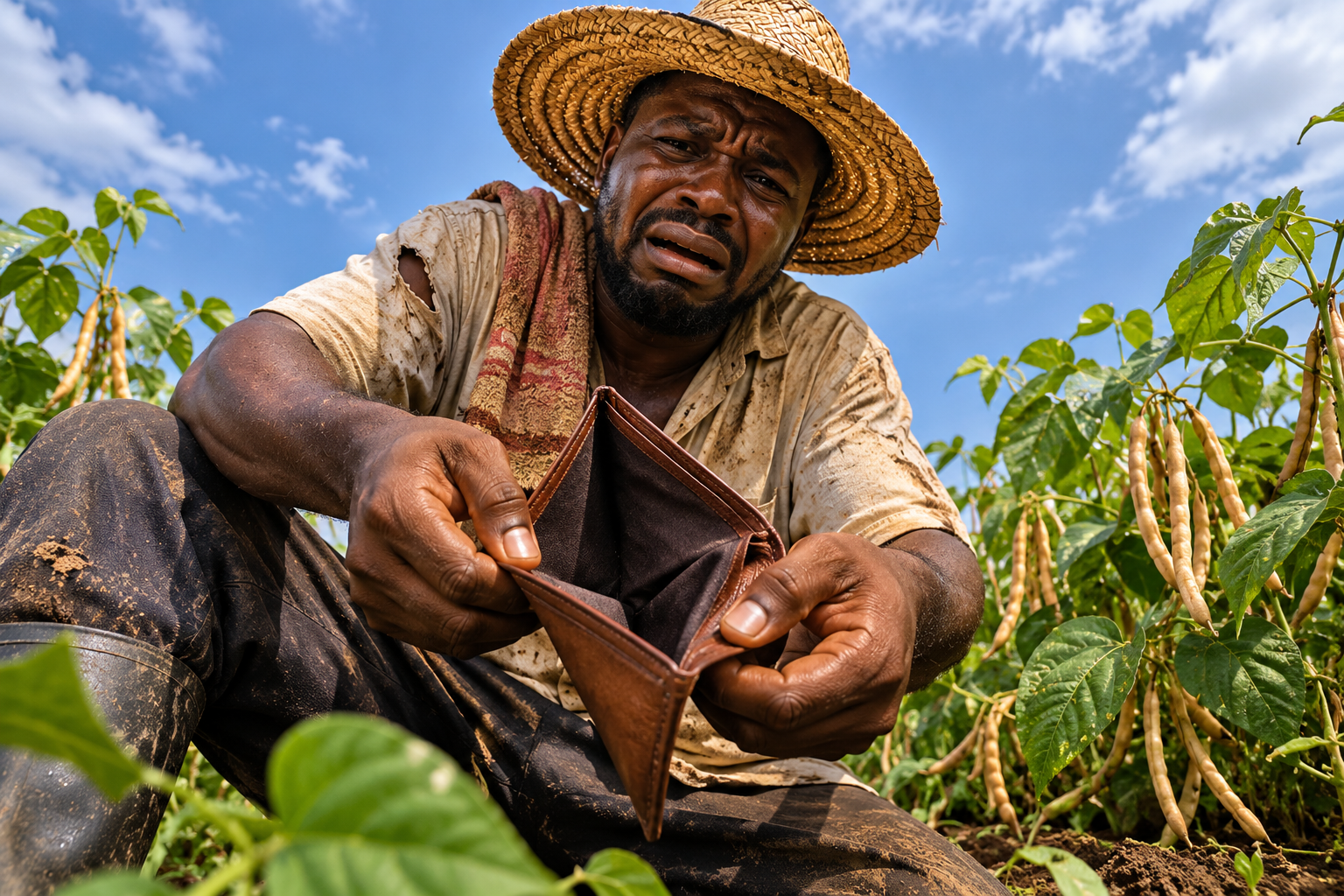
Getting a cowpea crop to flowering and pod formation is a significant milestone, but the work doesn’t stop there. The final stages of production are just as important, and mistakes made during this period can reduce yields, affect grain quality and eat into farmers’ profits.
From insect attacks on developing pods to diseases, poor harvest timing and improper storage, several challenges can undermine an otherwise successful farming season.
Here are five late-season mistakes cowpea farmers should avoid.
1. Ignoring Insect Attacks During Pod Formation
One of the biggest mistakes farmers make is reducing field inspections once the crop begins flowering and producing pods.
However, this is when some of the most damaging cowpea insect pests become particularly important.
Watch out for:
Maruca pod borer (Maruca vitrata): Its caterpillars feed on flower buds, flowers and developing pods. Look out for webbed flowers, feeding holes and damaged pods.
Flower thrips (Megalurothrips sjostedti): These tiny insects feed inside flower buds and flowers, causing browning, flower drop and poor pod formation.
Pod-sucking bugs (Clavigralla tomentosicollis, Anoplocnemis curvipes and Riptortus species): These insects pierce and suck sap from developing pods and seeds, resulting in shrivelled, poorly developed or damaged grains.
Cowpea aphids (Aphis craccivora): These small insects cluster around young shoots and stems, sucking plant sap and weakening the crop.
What farmers should do:
*Inspect flowers and developing pods regularly.
*Look out for feeding holes, webbing, discolouration and shrivelled pods.
*Identify the insect before choosing a control measure.
*During pod formation, apply Sting or Vanguish to help protect your crop against insect pests. Follow the product label for the recommended application rate and timing.
*Don’t assume your crop is safe simply because it has started producing pods.
2. Overlooking Diseases and Parasitic Weeds
Not every problem affecting your cowpea field is caused by insects. Diseases and parasitic weeds can also reduce crop performance, especially when farmers fail to recognise their symptoms early.
Some important problems to watch out for include:
Fungal diseases
Fusarium wilt: Caused by Fusarium fungi. Infected plants may become stunted, develop yellowing leaves, wilt and eventually die.
Cercospora leaf spot: Characterised by leaf spots that can cause premature leaf deterioration and reduce the plant’s ability to produce healthy grains.
Viral diseases
Cowpea mosaic virus: Infected plants may develop mottled leaves, distorted young growth and poor plant development. Aphids can transmit some cowpea viruses.
Bacterial diseases
Bacterial blight: Can cause water-soaked or brown lesions on leaves, stems and pods, depending on the pathogen and infection conditions.
Parasitic weeds
Striga (witchweed): This parasitic weed attaches to cowpea roots, depriving the crop of water and nutrients. Severe infestation can stunt growth and significantly reduce pod production.
What farmers should do:
*Inspect plants for unusual leaf spots, yellowing, wilting and stunted growth.
*Remove and manage affected plant materials appropriately.
*Control weeds before they become established.
*Practise crop rotation and use recommended resistant varieties where available.
*Seek expert advice when symptoms are unclear.
Correct identification is important because insects, fungal diseases, bacterial diseases, viruses and parasitic weeds require different management approaches.
3. Spraying Without Considering Harvest Time
As harvest approaches, unnecessary or poorly timed pesticide applications can create additional problems.
Every crop protection product has a pre-harvest interval (PHI), which is the minimum period required between the last application and harvesting.
Ignoring this interval can result in unacceptable pesticide residues on harvested grains.
What farmers should do:
*Read the product label before application.
*Observe the recommended pre-harvest interval.
*Use only products registered for cowpea and the target pest or disease.
*Avoid unnecessary spraying close to harvest.
Protecting your crop should never come at the expense of food safety.
4. Harvesting Too Early or Too Late
Timing matters when harvesting cowpea.
Harvesting too early can result in immature grains, while delaying harvest for too long can expose mature pods to shattering, weather damage and field pests.
What farmers should do:
*Monitor pod maturity regularly.
*Harvest when the pods have reached the appropriate maturity stage.
*Where maturity is uneven, consider harvesting in batches.
*Handle harvested pods carefully to minimise grain losses.
Timely harvesting helps preserve both yield and grain quality.
5. Poor Drying and Storage Practices
Your work doesn’t end when the cowpea leaves the field. Poor post-harvest handling can undo the effort invested throughout the season.
One major storage insect pest is the cowpea weevil (Callosobruchus maculatus).
Unlike field pests that attack growing plants, cowpea weevils infest stored grains. They lay eggs on the grains, and their developing larvae feed inside the seeds, reducing grain quality and market value.
Moisture during storage can also encourage mould development and grain deterioration.
What farmers should do:
*Dry grains properly before storage.
*Remove damaged grains and foreign materials.
*Use clean, dry and appropriate storage containers.
*Protect stored grains against moisture and storage insects.
*Inspect stored cowpea regularly for signs of infestation.
Good storage practices help preserve the quality and value of your harvest.
Finish the Season Strong with the Right Support
A successful cowpea season requires attention at every stage, from planting and flowering to pod formation, harvesting and storage.
Don’t allow avoidable mistakes to take away from your hard work.
And remember, you don’t have to figure everything out on your own!
With the FarmPropa App, you can access practical agricultural resources and get support when challenges arise.
Use the Report an Issue feature on FarmPropa. Simply take a picture of the affected crop, provide details about what you’re observing and submit it for an agronomist to review and respond.
Follow us across social media for more helpful tips.
Leave a Reply