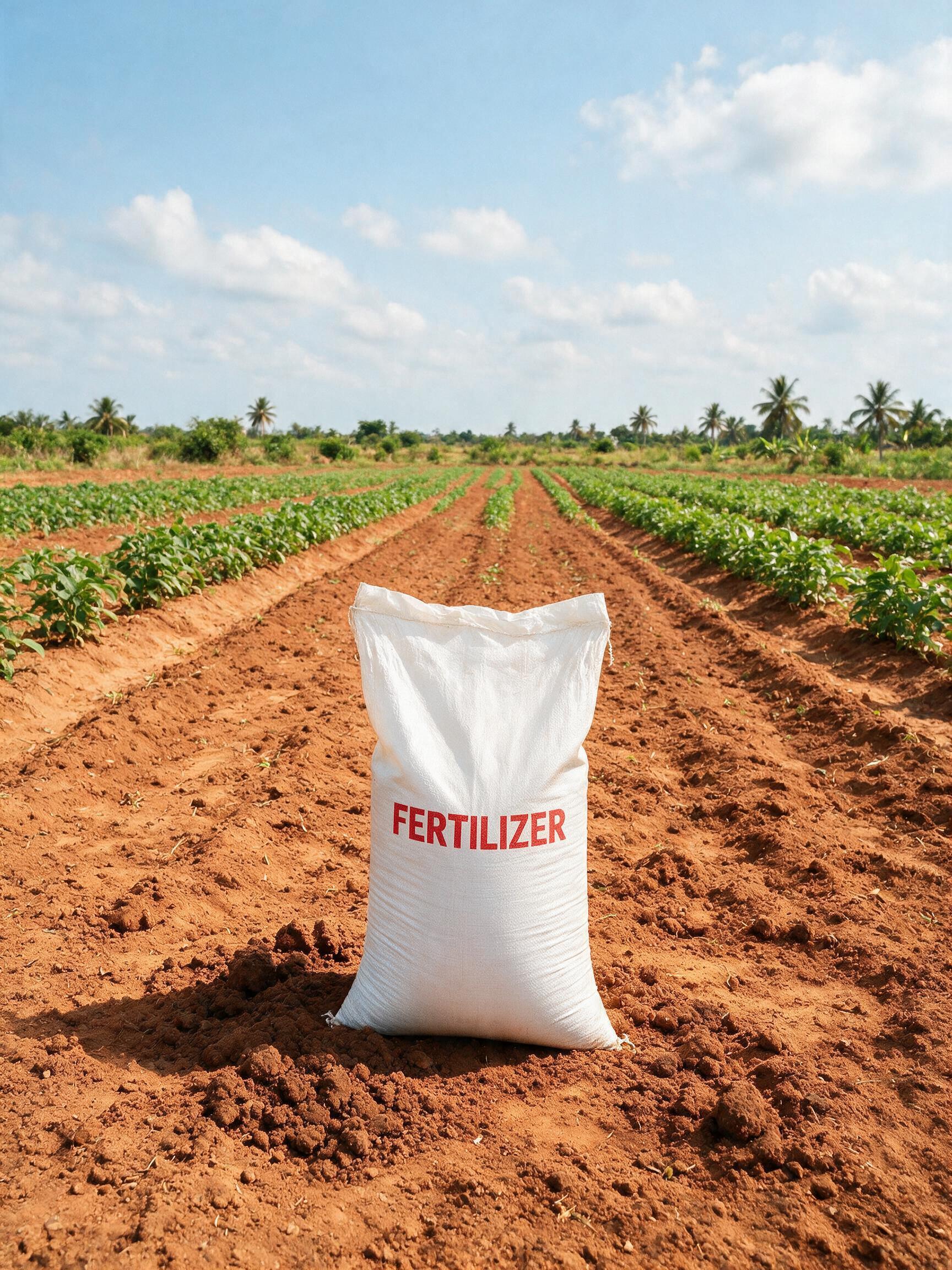
Every farmer wants one thing at the end of the season: a healthy crop and a rewarding harvest. Choosing the right fertilizer is only half the equation, applying it at the right time is what helps your crops get the nutrients they need to grow stronger.
Poor timing can reduce nutrient availability, increase fertilizer losses, and limit your crop’s ability to make the most of the nutrients you’ve invested in. In other words, even the best fertilizer may not deliver the desired results if it is applied at the wrong time.
Here’s why fertilizer timing matters and how you can get it right.
Why Timing Matters
Plants need nutrients at specific growth stages. Applying fertilizer too early may result in nutrients being lost through runoff, leaching, or volatilization before the crop can use them. Applying too late may mean your crops have already missed the stage where those nutrients are most beneficial.
Proper timing helps to:
- Improve nutrient uptake by crops.
- Promote healthy root and vegetative growth.
- Increase fertilizer use efficiency.
- Reduce nutrient losses.
- Support better yields and crop quality.
Common Fertilizer Timing Mistakes Farmers Make
1. Applying Before Heavy Rainfall
While moisture helps dissolve fertilizer and move nutrients into the soil, applying fertilizer immediately before heavy rainfall can wash nutrients away before plants absorb them.
Tip: Check weather forecasts and avoid fertilizer application if significant rainfall is expected within the next 24 hours.
2. Waiting Too Long After Planting
Young crops require nutrients early to establish strong roots and vigorous growth. Delaying fertilizer application may lead to poor establishment and slower development.
Tip: Follow the recommended fertilizer schedule for your specific crop.
3. Applying During Water Stress
Whether due to drought or waterlogging, stressed crops cannot efficiently absorb nutrients.
Tip: Apply fertilizer when soil moisture is adequate and crops are actively growing.
Know Your Crop’s Nutrient Needs
Different crops have different nutrient requirements and feeding schedules.
🌾 Rice
Rice benefits from split fertilizer applications. Rather than applying everything at once, nutrients are supplied at key growth stages to improve uptake and reduce losses.
🌽 Maize
Maize requires sufficient nutrients during its early vegetative stage to support leaf development and strong stalk growth.
🌱 Legumes
Although legumes can fix atmospheric nitrogen, they still require balanced nutrition, particularly phosphorus and potassium, for healthy root development, flowering, and pod formation.
Split Applications Deliver Better Results
Applying all your fertilizer at once isn’t always the best approach.
Split applications help:
- Reduce nutrient losses.
- Improve nutrient availability throughout crop growth.
- Increase fertilizer efficiency.
- Support higher yields.
Always follow crop-specific fertilizer recommendations.
Pair Fertilizer with Good Agronomic Practices
Fertilizer performs best when combined with sound crop management practices such as:
- Timely weed control.
- Proper irrigation or water management.
- Healthy planting materials or quality seeds.
- Correct plant spacing.
- Regular field scouting for pests and diseases.
Good agronomy helps crops make the best use of available nutrients.
Don’t Forget Your Soil
Healthy soils improve fertilizer performance.
Consider:
- Conducting soil tests where possible.
- Maintaining soil organic matter.
- Preventing soil erosion.
- Practicing crop rotation where applicable.
Knowing your soil allows you to apply nutrients more efficiently and avoid unnecessary costs.
Conclusion
Fertilizer is an investment, and like every investment, it delivers the best returns when used wisely. By applying fertilizer at the right growth stage, monitoring weather conditions, and following recommended crop practices, you can improve nutrient use efficiency and set your crops up for healthier growth and better yields.
This season, don’t let poor timing reduce your fertilizer’s impact. Plan your applications carefully, follow best practices, and give your crops the nutrients they need, when they need them most. At SARO Agrosciences, we’re committed to helping farmers make informed decisions that lead to healthier crops, higher productivity, and more profitable harvests. Download the FarmPropa app for good agronomic practices. Follow
Leave a Reply